AI in Education: Transforming Learning Across India, Europe & the Middle East
How Artificial Intelligence is reshaping classrooms, enhancing learning, and preparing students for a digital future
Artificial Intelligence (AI) is no longer a distant concept—it’s actively influencing how students learn, teachers teach, and educational institutions operate across the world. From personalized learning in urban India to national AI curricula in the Middle East and cutting-edge pilot programs in Europe, AI’s role in education is expanding rapidly. In this guide, we explore the opportunities, challenges, and real-world applications of AI in education, with insights relevant to India, Europe, and Middle Eastern countries.
What AI in Education Really Means
At its core, AI in education refers to the use of intelligent systems, data analytics, and machine learning tools to support teaching and learning. This includes adaptive learning platforms, AI-powered tutoring systems, assessment tools, language translation apps, administrative automation, and much more.
AI technologies can:
Tailor educational content to individual learning needs
Automate administrative tasks, freeing up teacher time
Support multiple languages and accessibility requirements
Offer insights into student performance and engagement
These innovations are helping schools and universities redefine traditional teaching models for the digital age.
AI in Education: Regional Spotlight
India: Personalized Learning Meets Scale
In India, AI’s adoption in education is accelerating across urban and rural landscapes alike. Adaptive learning platforms are enabling personalized instruction, helping students learn at their own pace and ensuring academic support tailored to individual strengths and weaknesses. This is especially valuable in a diverse education system where learning styles vary widely.
Government initiatives and industry partnerships are also shaping AI’s footprint in Indian classrooms:
Several higher education institutions now allow AI tools for tutoring and grading, enhancing both efficiency and learning outcomes.
However, challenges such as digital infrastructure gaps—especially in rural areas with limited internet access—and the need for robust data privacy frameworks remain critical. For AI to be truly equitable, schools must ensure infrastructure and digital literacy reach every student.
Europe: Pilot Projects & Ethical AI Integration
European nations are uniquely positioned in the AI education landscape due to strong regulatory frameworks and a broader focus on digital literacy.
Countries like Estonia are pioneering nationwide AI education initiatives, equipping students and teachers with AI tools and training, and integrating digital skills into the standard curriculum. These programs aim to shift traditional rote learning toward higher-order thinking and self-directed learning.
European integration also means careful attention to ethics, data privacy, and governance. The EU’s AI regulations aim to ensure transparency, fairness, and protection of student data—a critical factor as AI systems become more embedded in educational processes. These frameworks are shaping how schools adopt AI responsibly without compromising student rights and safety.
Middle East: Vision-Driven AI Curricula
In the Middle East, governments are investing heavily in future-ready education systems that leverage AI for national development goals. Saudi Arabia, for example, has introduced an AI curriculum that will be rolled out to millions of students as part of Vision 2030—aiming to unlock technological literacy on a vast scale.
This approach reflects a broader regional emphasis on tech-driven growth and digital readiness. By embedding AI learning early, educational systems in the UAE, Saudi Arabia, and other GCC countries are preparing students for future careers in tech, engineering, data science, and innovation sectors.
Core Benefits of AI in Education
1. Personalized & Adaptive Learning
AI systems adjust content based on performance data, ensuring students receive tailored instruction that addresses their unique learning needs. This approach can reduce frustration, improve comprehension, and accelerate progress.
2. Enhanced Engagement Through Interactive Tools
AI-powered platforms incorporate gamification, simulations, and real-time feedback loops that make learning more immersive and motivating. Learners are often more engaged when the learning experience feels dynamic and responsive.
3. Administrative Efficiency
AI helps automate tasks such as grading, attendance tracking, scheduling, and reporting. This not only saves time but also empowers teachers to focus on mentorship and pedagogical creativity.
4. Accessibility & Inclusivity
Tools like speech-to-text, real-time translation, and multilingual AI platforms break down language barriers and support students with special needs, significantly improving accessibility for learners across diverse regions.
Challenges & Risks: What Educators Must Address
While AI holds promise, it is not without its challenges. Stakeholders must navigate these hurdles carefully:
Digital Divide & Infrastructure Inequality
In many regions, especially in rural parts of India and underserved communities in other markets, reliable internet access and digital devices are still limited. Without equitable infrastructure, AI can deepen education gaps rather than close them.
AI tools are only as good as the teachers who use them. Continuous professional development, hands-on workshops, and AI literacy programs for educators are crucial to maximize instructional benefits and avoid misuse.
Over-Reliance on Technology
AI should augment human teaching—not replace it. Excessive dependency on automation can undermine critical thinking and problem-solving skills if not balanced with human instruction.
Future Outlook: Human-AI Collaboration in Education
The future isn’t about AI versus educators—it’s about AI with educators.
Educational systems across India, Europe, and the Middle East are increasingly recognizing that optimal learning outcomes emerge when AI tools empower teachers rather than supplant them. AI can handle repetitive tasks, tailor personalized experiences, and provide analytics, while teachers focus on mentorship, creativity, and critical thinking.
A shared vision across these regions is to build AI-ready curricula, strengthen digital infrastructure, and craft governance frameworks that safeguard equity, security, and human agency in learning environments.
Conclusion: The AI Education Revolution is Here
AI in education is not a one-size-fits-all solution—it is a powerful tool that, when thoughtfully integrated, can:
Personalize learning for diverse student needs
Empower educators with actionable insights
Prepare students for future digital careers
Support inclusive and accessible education models
For schools and institutions in India, Europe, and the Middle East, the key to success lies in balanced implementation, ethical governance, and strategic human-AI collaboration. As we navigate this transformative era, AI’s role should enhance—not replace—the very human core of education.
BelSum Digital’s Perspective
At BelSum Digital, we believe in the transformative power of technology when paired with human insight. Whether you’re an educator exploring AI’s potential or a tech leader shaping future classrooms, we provide strategic digital solutions to help you thrive in a rapidly evolving world.
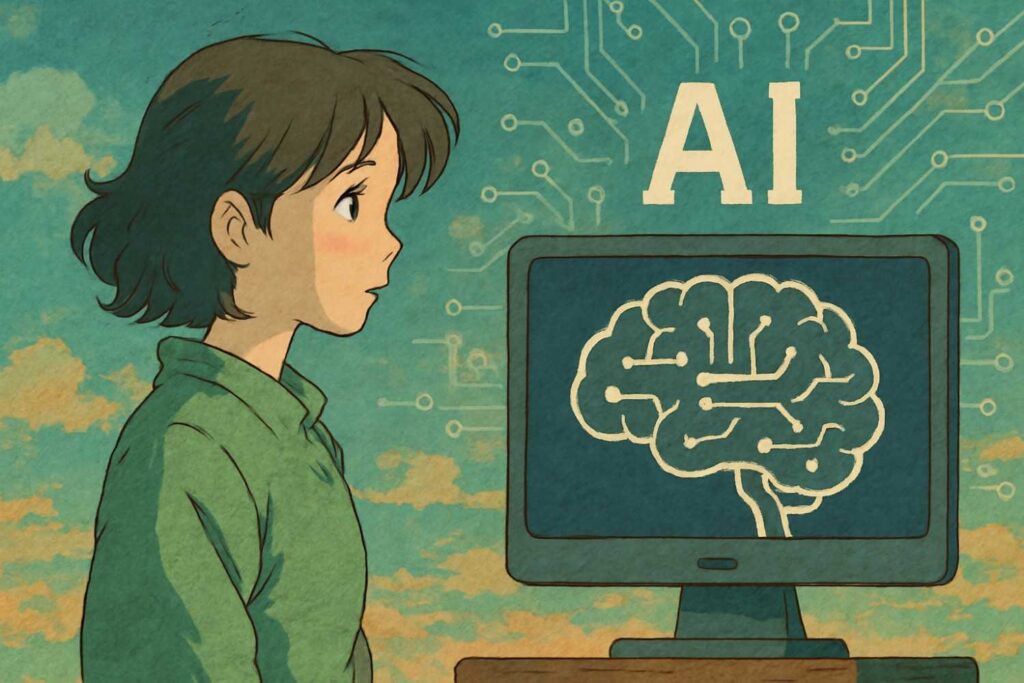
Discover the Ghibli AI trend and how artificial intelligence is transforming animation and digital art. Explore its benefits, challenges, and ethical concerns in the evolving world of AI-generated art.
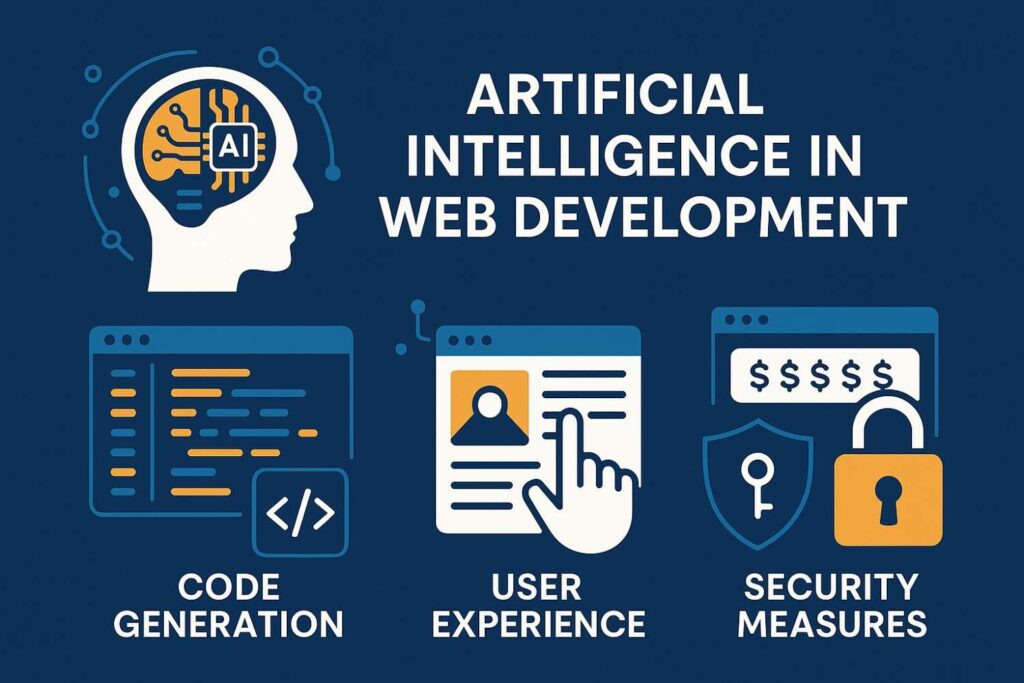
Discover the top AI trends transforming web development. From smart design to predictive UX, see how AI is reshaping websites for startups and global businesses.
Manage Consent
To provide the best experiences, we use technologies like cookies to store and/or access device information. Consenting to these technologies will allow us to process data such as browsing behavior or unique IDs on this site. Not consenting or withdrawing consent, may adversely affect certain features and functions.
Functional
Always active
The technical storage or access is strictly necessary for the legitimate purpose of enabling the use of a specific service explicitly requested by the subscriber or user, or for the sole purpose of carrying out the transmission of a communication over an electronic communications network.
Preferences
The technical storage or access is necessary for the legitimate purpose of storing preferences that are not requested by the subscriber or user.
Statistics
The technical storage or access that is used exclusively for statistical purposes.The technical storage or access that is used exclusively for anonymous statistical purposes. Without a subpoena, voluntary compliance on the part of your Internet Service Provider, or additional records from a third party, information stored or retrieved for this purpose alone cannot usually be used to identify you.
Marketing
The technical storage or access is required to create user profiles to send advertising, or to track the user on a website or across several websites for similar marketing purposes.
To provide the best experiences, we use technologies like cookies to store and/or access device information. Consenting to these technologies will allow us to process data such as browsing behavior or unique IDs on this site. Not consenting or withdrawing consent, may adversely affect certain features and functions.
Functional
Always active
The technical storage or access is strictly necessary for the legitimate purpose of enabling the use of a specific service explicitly requested by the subscriber or user, or for the sole purpose of carrying out the transmission of a communication over an electronic communications network.
Preferences
The technical storage or access is necessary for the legitimate purpose of storing preferences that are not requested by the subscriber or user.
Statistics
The technical storage or access that is used exclusively for statistical purposes.The technical storage or access that is used exclusively for anonymous statistical purposes. Without a subpoena, voluntary compliance on the part of your Internet Service Provider, or additional records from a third party, information stored or retrieved for this purpose alone cannot usually be used to identify you.
Marketing
The technical storage or access is required to create user profiles to send advertising, or to track the user on a website or across several websites for similar marketing purposes.